The Global history of Cigarettes
By Admin |
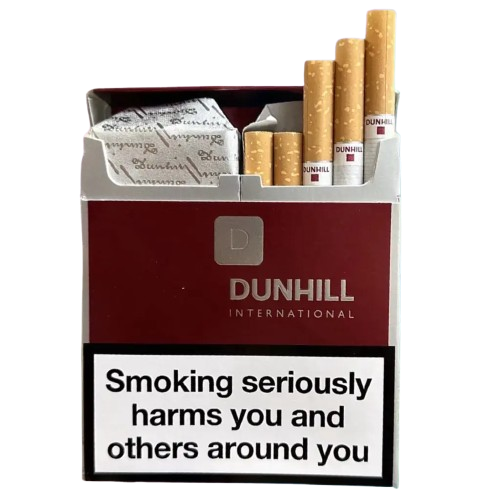
Cigarettes have traveled far from their sacred beginnings. Born in the smoke of Indigenous ceremonies, they became the industrial icons of the modern age—symbols of power, rebellion, and desire. This article traces that transformation: from ancient tobacco rituals to global trade, from mass production and war-time rations to modern regulation and decline. It is the story of how a simple leaf reshaped economies, cultures, and lungs alike.
It began long before factories, brands, or addiction. A leaf burned in a sacred bowl, smoke rising to the sky. In the Americas, long before Columbus set sail, tobacco was spirit and medicine — inhaled, offered, shared. Smoke was a bridge between worlds. Then came the ships. European explorers carried the leaf home, calling it a miracle cure. Within decades, smoking swept through Europe’s courts and alleys alike. What was once a ritual became a habit. Pipes, snuff, cigars — all marked status, taste, and time. By the 1800s, soldiers and laborers were rolling their own tobacco into scraps of paper — the earliest cigarettes. Spain and the Ottoman Empire gave the world its first look at paper-wrapped smoke. But it was the Bonsack machine in 1880 that changed everything. One invention turned hand-rolled smoke into an industrial product. From there, companies like Philip Morris, BAT, and R.J. Reynolds built empires — on paper, fire, and marketing. Wars gave the cigarette its reach. In the trenches of World War I and II, soldiers puffed to calm nerves and pass time. Cigarettes came with rations, symbols of camaraderie and courage. Back home, Hollywood stars made them look divine. Ads sold them as sophistication, freedom, rebellion — all in a flick and exhale. But science caught up. Doctors noticed patterns. By the 1950s, the link between smoking and lung cancer was undeniable. The industry fought back — with doubt, slogans, and money. Yet truth spread faster than spin. The backlash came strong. Governments taxed and banned ads. Warning labels appeared. Lawsuits hit hard. By the 2000s, global treaties like the WHO’s Framework Convention turned control into global policy. Smoking moved from cool to condemned. Still, the world couldn’t quit overnight. Tobacco meant jobs, taxes, and tradition. Even as rich nations lit up less, companies found new markets — Asia, Africa, Latin America. And when cigarettes started to fall, vaping and heated tobacco rose to take their place. Today, cigarettes are both relic and habit. Their history is a mirror: faith turned commerce, commerce turned addiction. From ritual smoke to industrial haze, they’ve shaped culture, war, law, and lungs for over 500 years.